Resident wildlife photographer
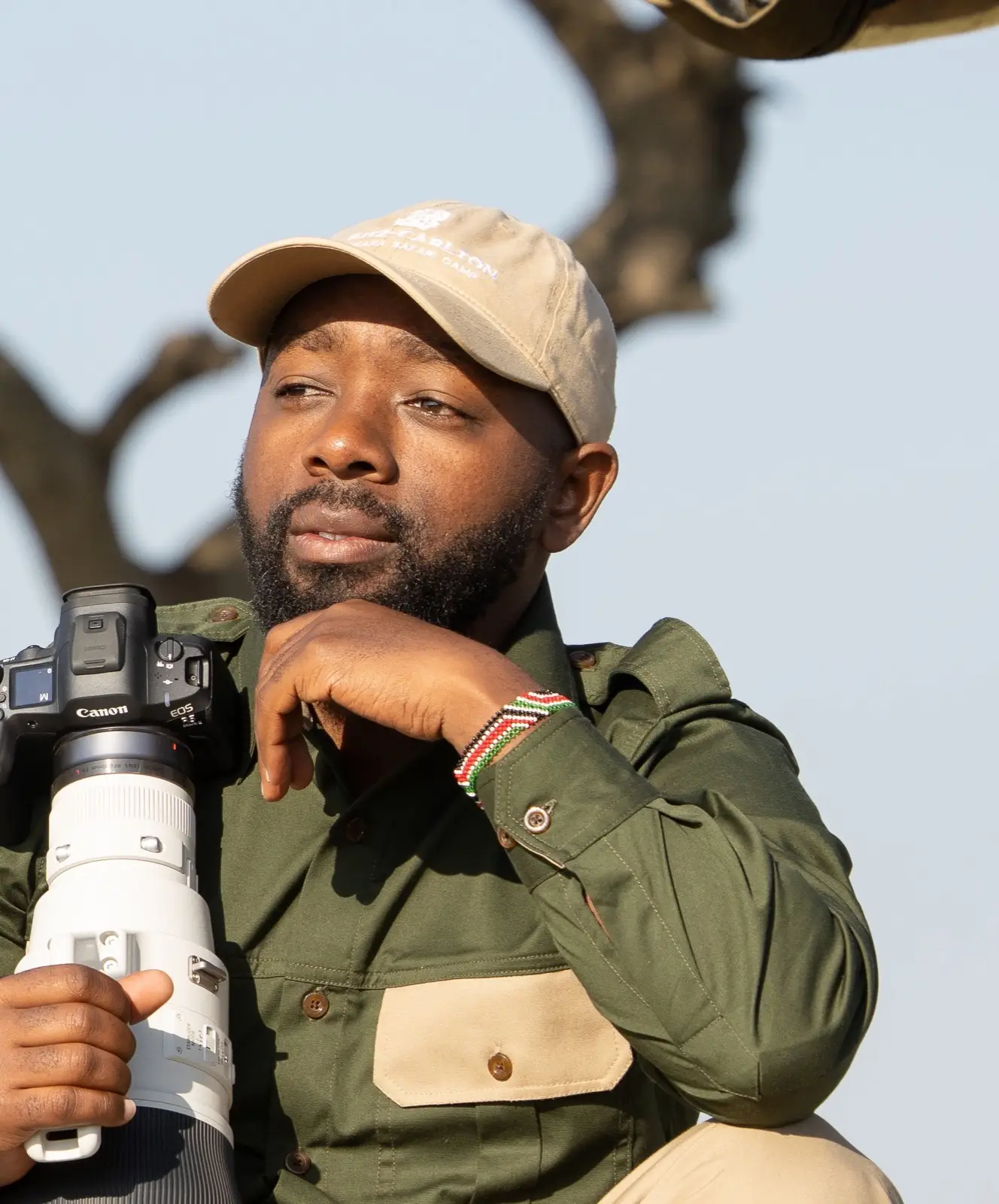
John Macharia
I tell stories that matter. Sometimes by taking the picture. Sometimes by missing it.
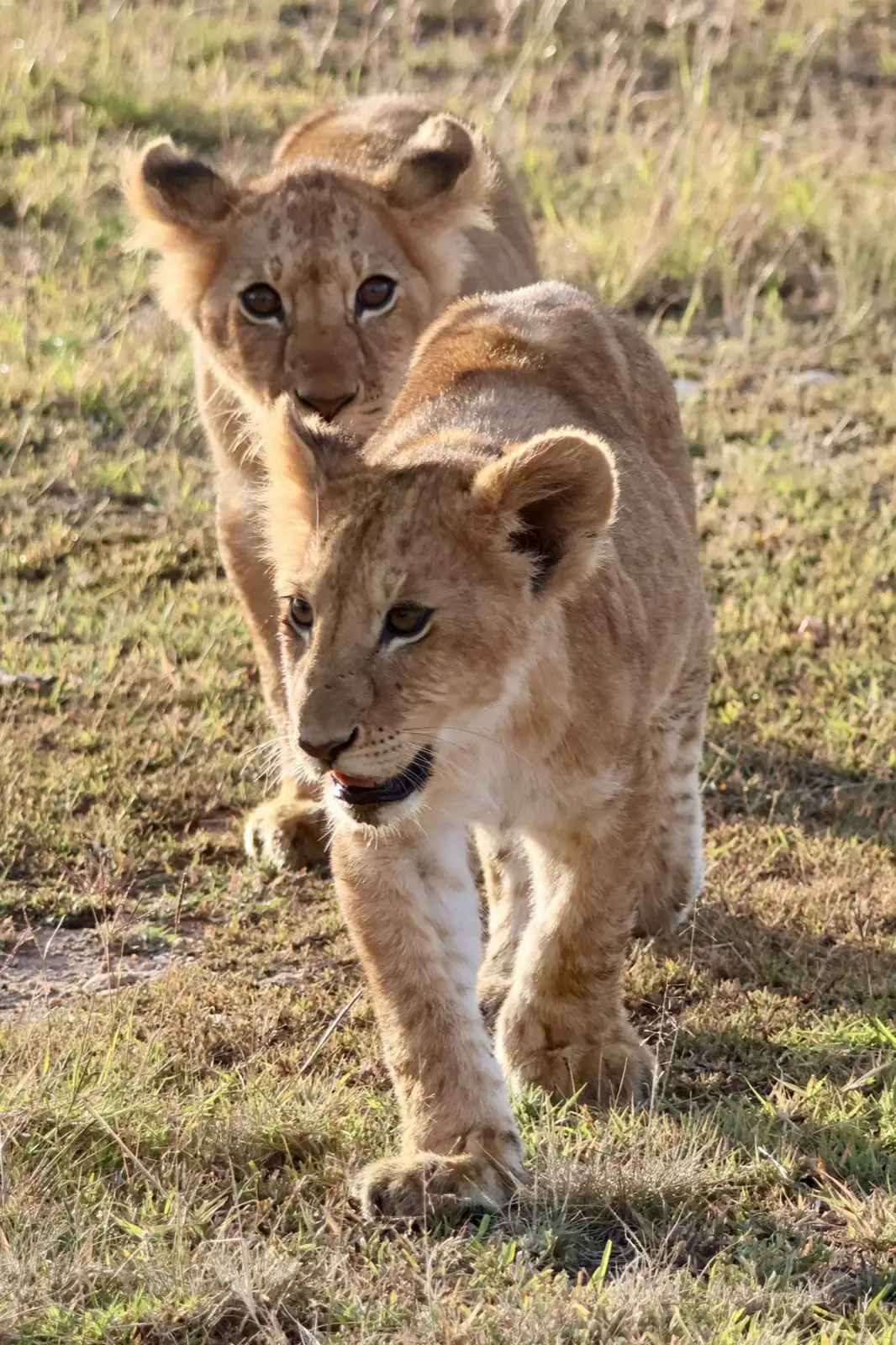
I missed the shot.Plate 01 · After rain · Maasai Mara
Field note
The cub looked at me. I hesitated.
Most people admire wildlife photographs for what they show: a cub, a leopard in a tree, a clean African sunset. When I look back at a frame, I am returned to the hour around it.
That afternoon the ground was still wet. The guide wore dark glasses and whispered about the cubs. We waited a long time, one vehicle among many, watching a lioness and four small ones sleep. Everyone there was armed with something. Cameras. Phones. Or just their eyes.
She woke. The cubs woke. The chatter fell away. For a brief moment one of them looked directly at me. The guide whispered, “Shot of the day.” I did not respond. I missed it.
Years from now I will forget many of the images I took. I will not forget the one I missed.
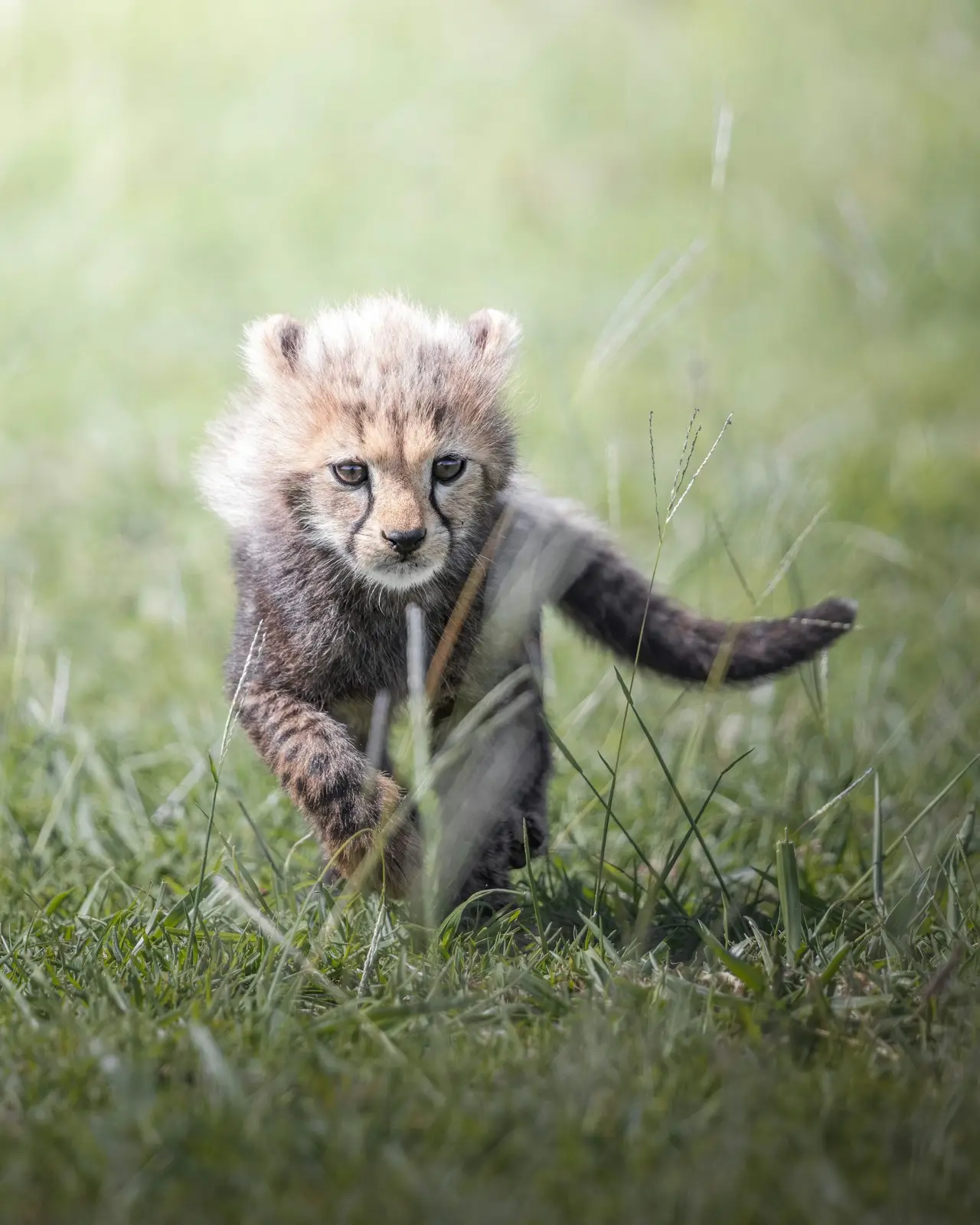
Canon EOS R5 RF 100–500mm 1/640 f/6.3 ISO 800
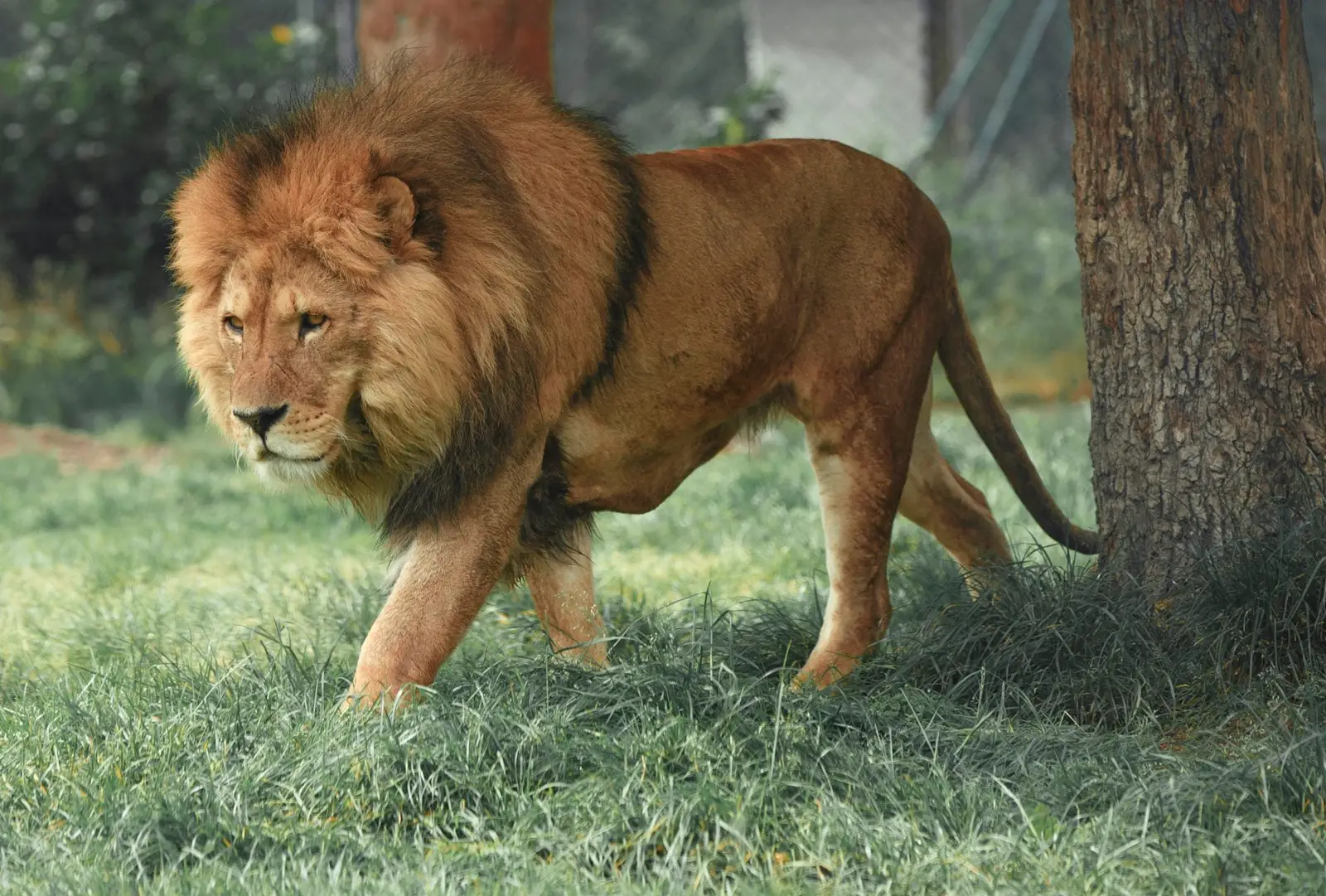
Canon EOS R5 RF 100–500mm
How I got here
The journalism club was an excuse to leave class.
In high school I was always looking for a reason to be outside. Football, basketball, every sport on offer — my body was not built for them. Then I found the journalism club. It got me into every “funkie,” as long as I came back with photographs and a short summary.
That was the start. After school I kept going into the communities I grew up in, using a camera for people who were rarely asked to speak. Journalism study opened doors I had not imagined. The same habit of listening brought me here, to one of the most important conservation landscapes on earth.
- School Journalism club. Photographs as a way out of the classroom, then as a way into other people’s days.
- After Community stories first. A simple brief: advocate for those who could not speak for themselves.
- Mara Wildlife, conservation, and the relationship between communities and this land.
- Now Resident Canon-certified photographer at The Ritz-Carlton, Masai Mara Safari Camp.
Work
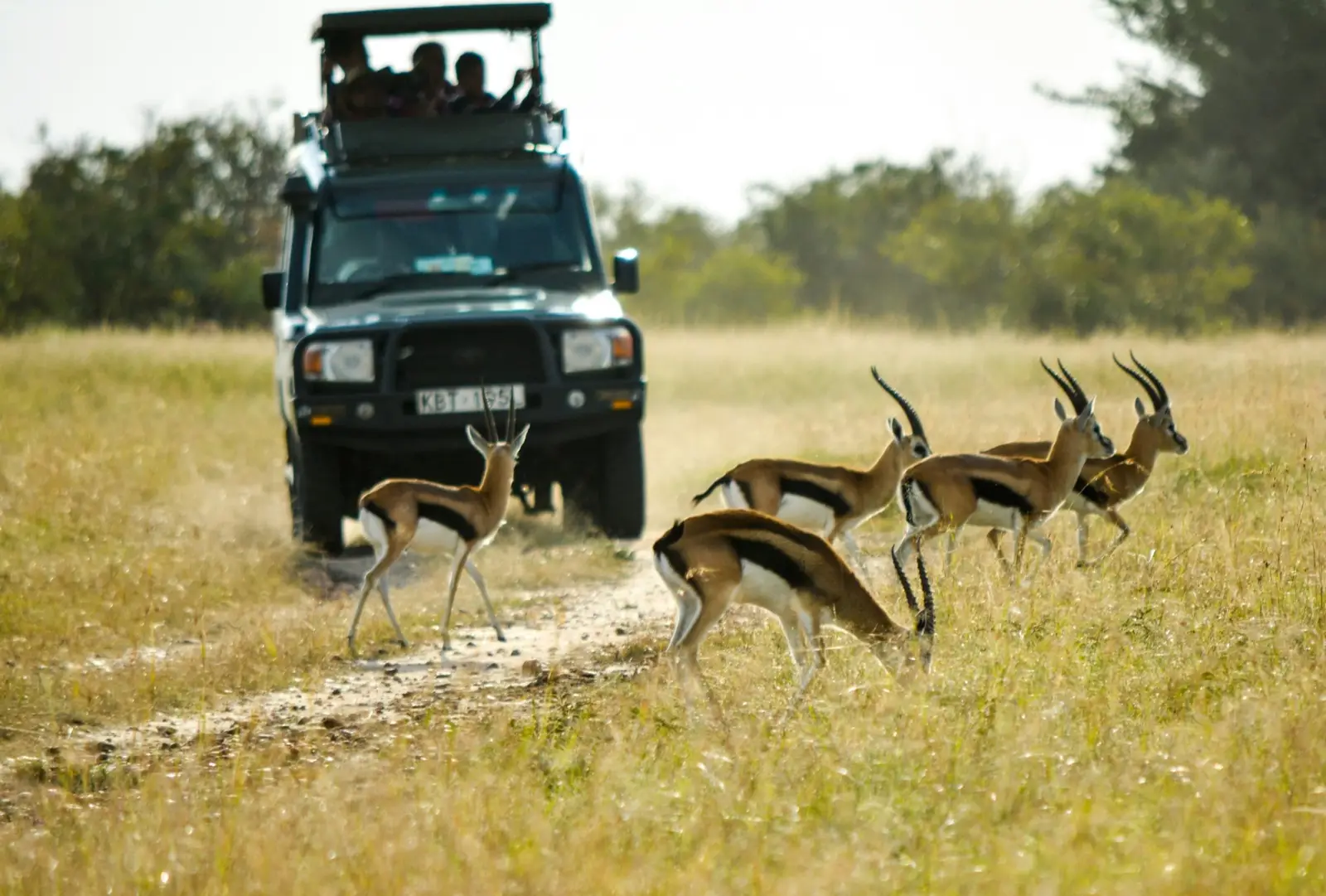
Pictures from the waiting.
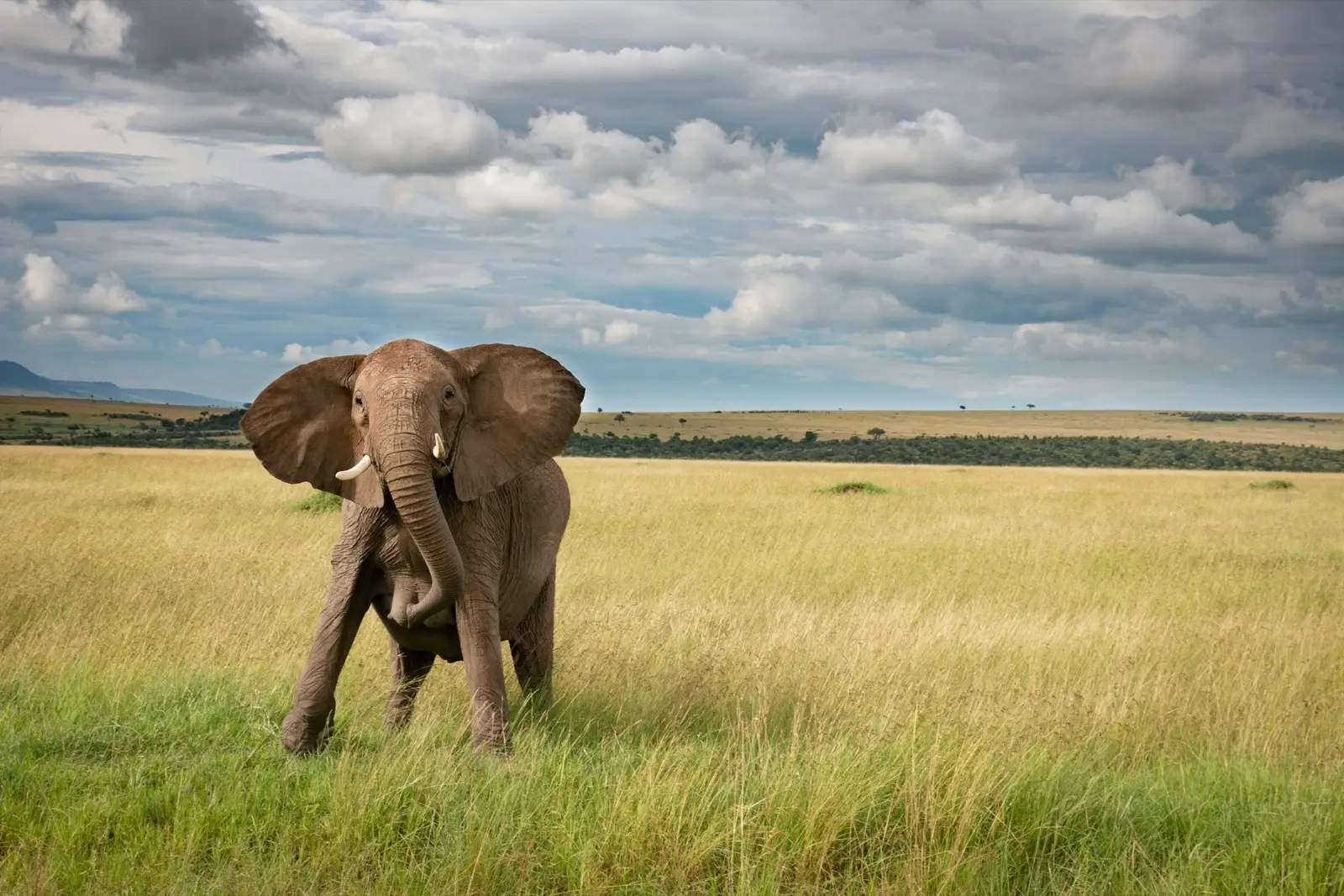
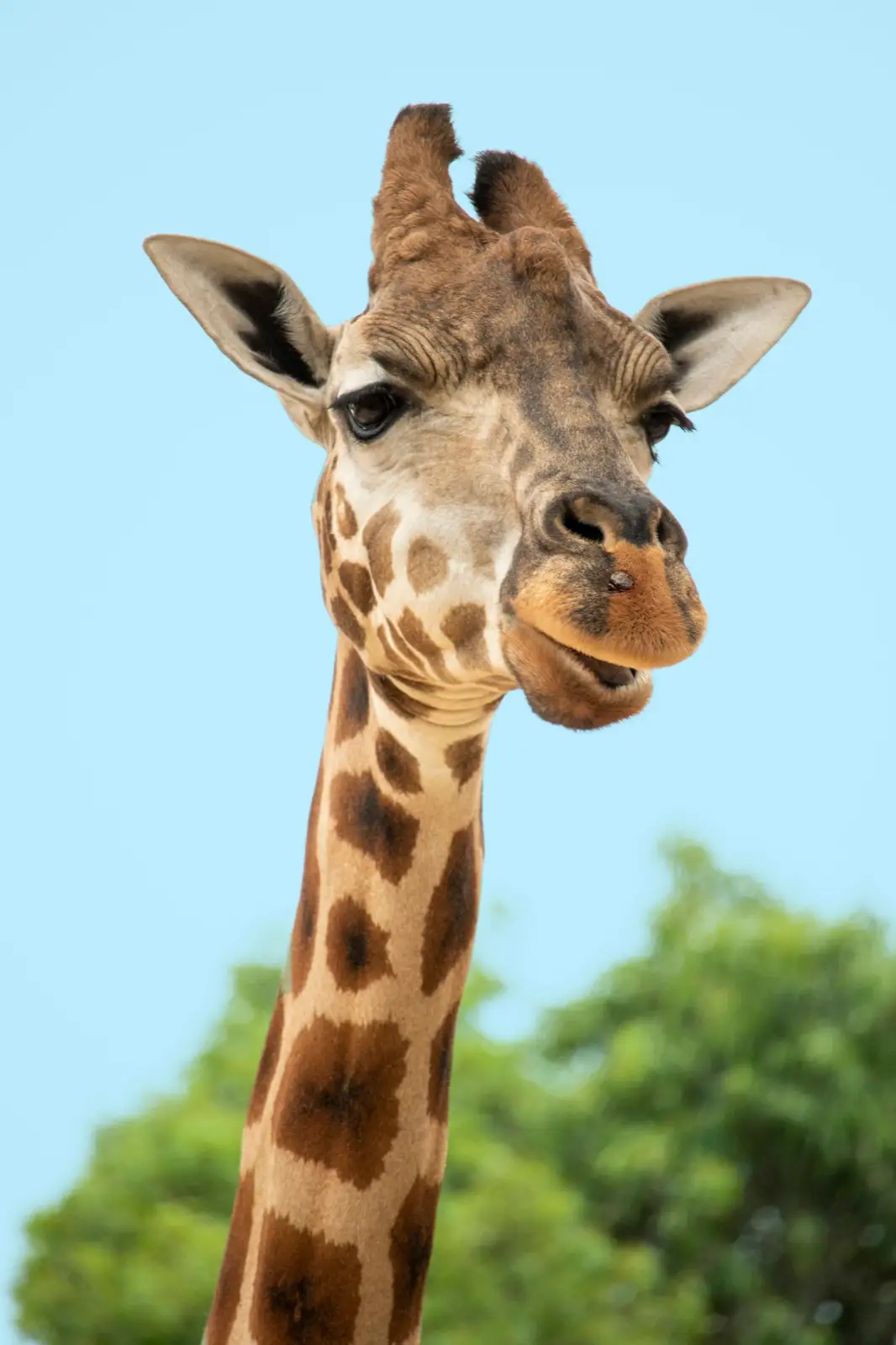
Canon EOS R5 RF 70–200mm 1/1600 f/8 ISO 200
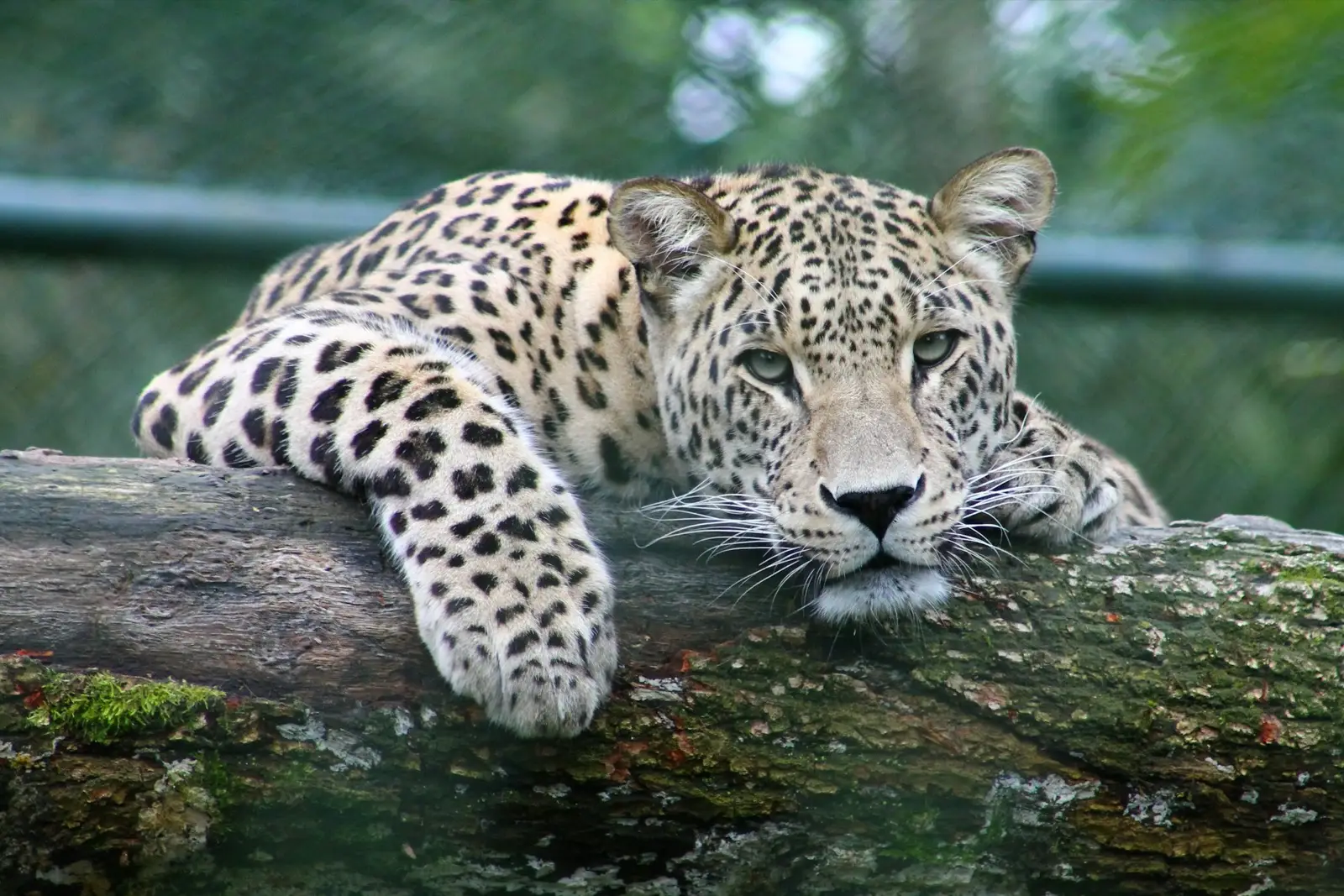
Canon EOS R5 RF 100–500mm 1/1000 f/5.6 ISO 640
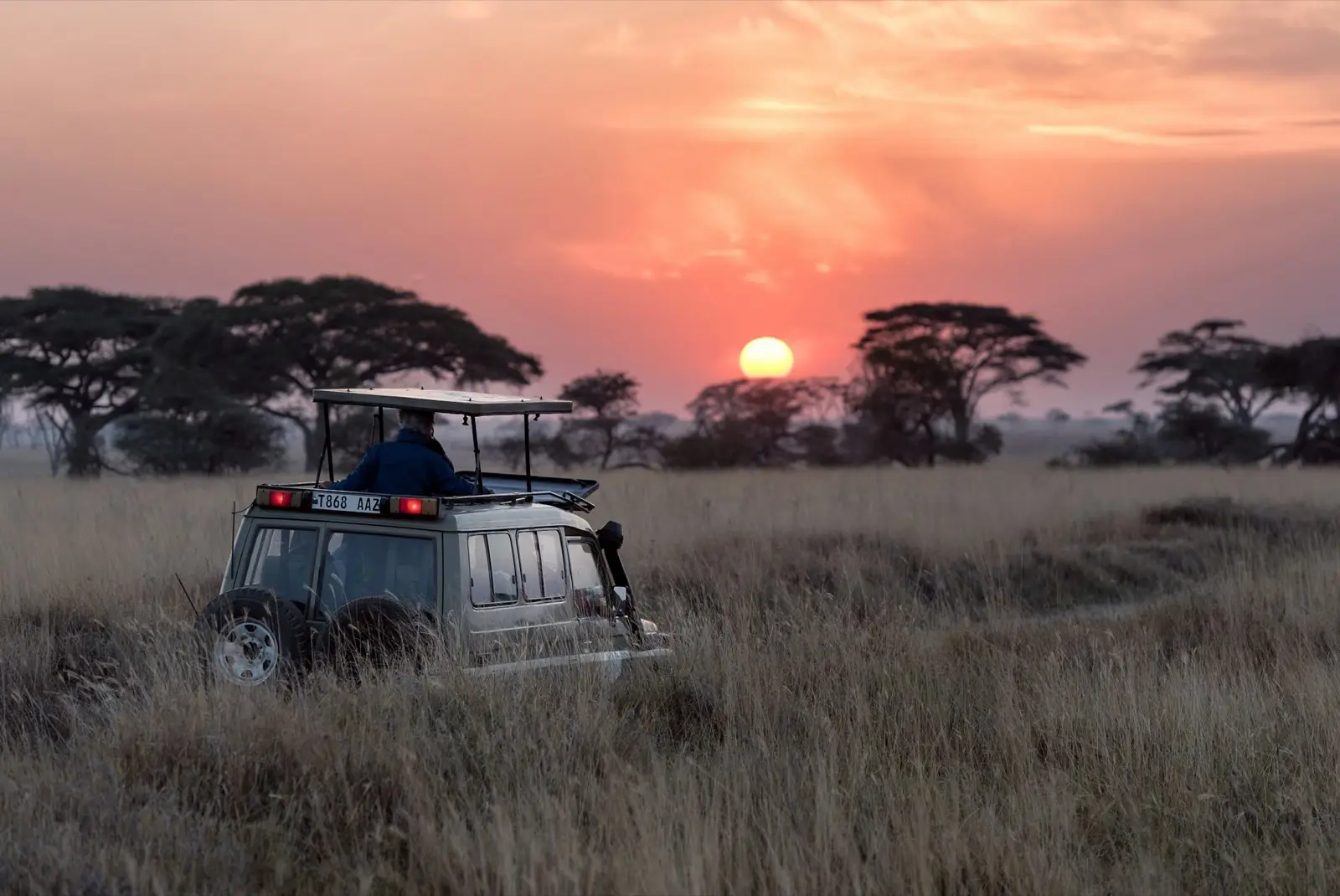
Sample plates for this design. John’s own frames will sit in these places — each with the hour, the weather, and what was missed.
If you are staying
Find me before we leave camp.
I work as a resident photographer at The Ritz-Carlton, Masai Mara Safari Camp. Guests can use the Canon studio, choose a body and lens, and ride with someone who has already waited in that grass.
Beginners get the unglamorous things: framing, light, when not to fire. People who already know a camera can spend a private drive on one animal, one behaviour, one hour of patience. After we return, we sit with the pictures and decide what actually belongs.
How to reach meKnown, and reachable
Write as if we will share a vehicle at first light.
At camp
Ask for John at the Photography Studio. Private photographic safaris can be arranged through camp.
Away from camp
Commissions, press, conservation work. Start with a note: who you are, when you are here, what you hope we wait for.
Public trail
LinkedIn — the long version of how a school club became a life in the Mara.