Notes · III · Mara
What the photograph does not show
I live in one of the world’s most important conservation landscapes. The pretty picture is the least of what that means.
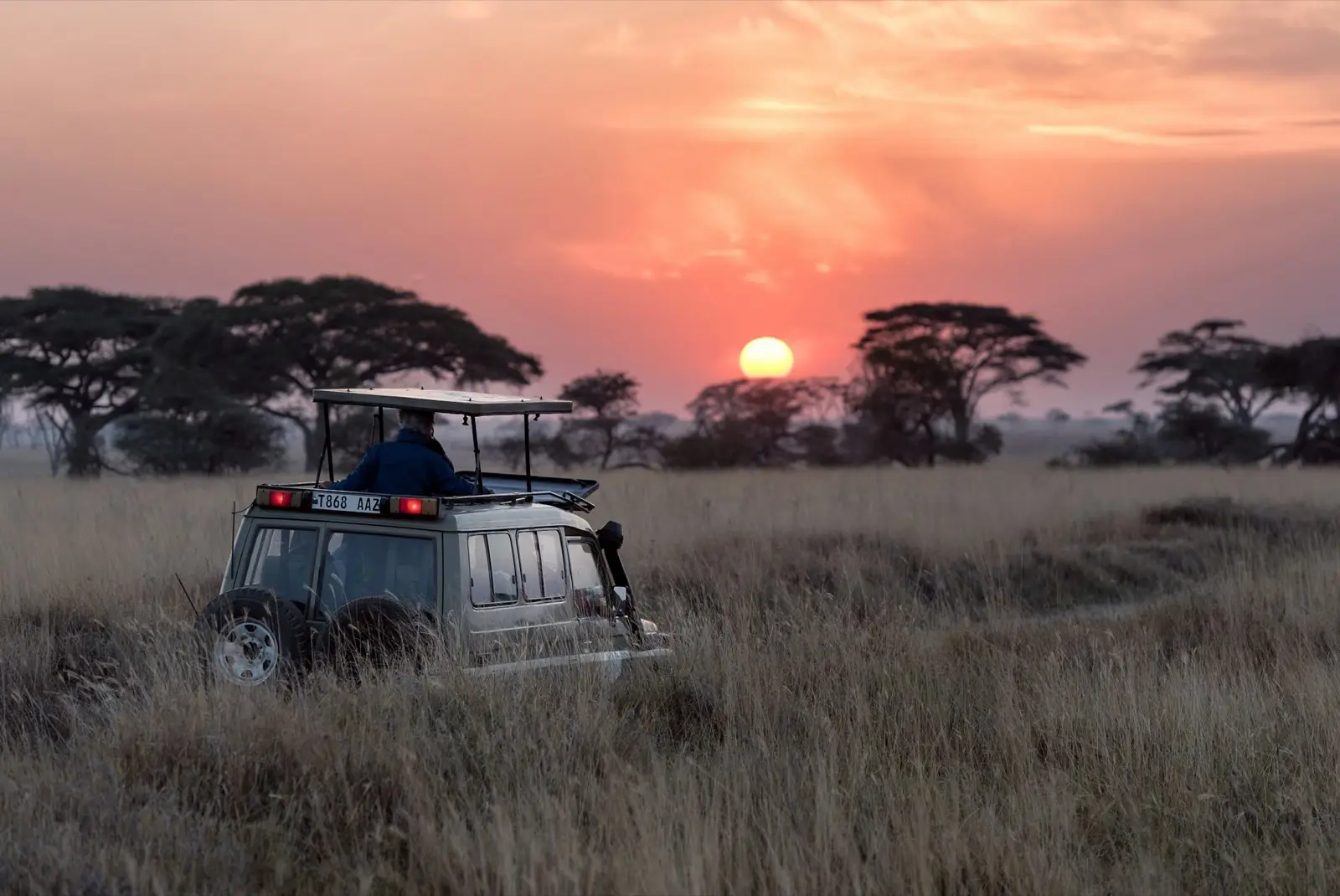
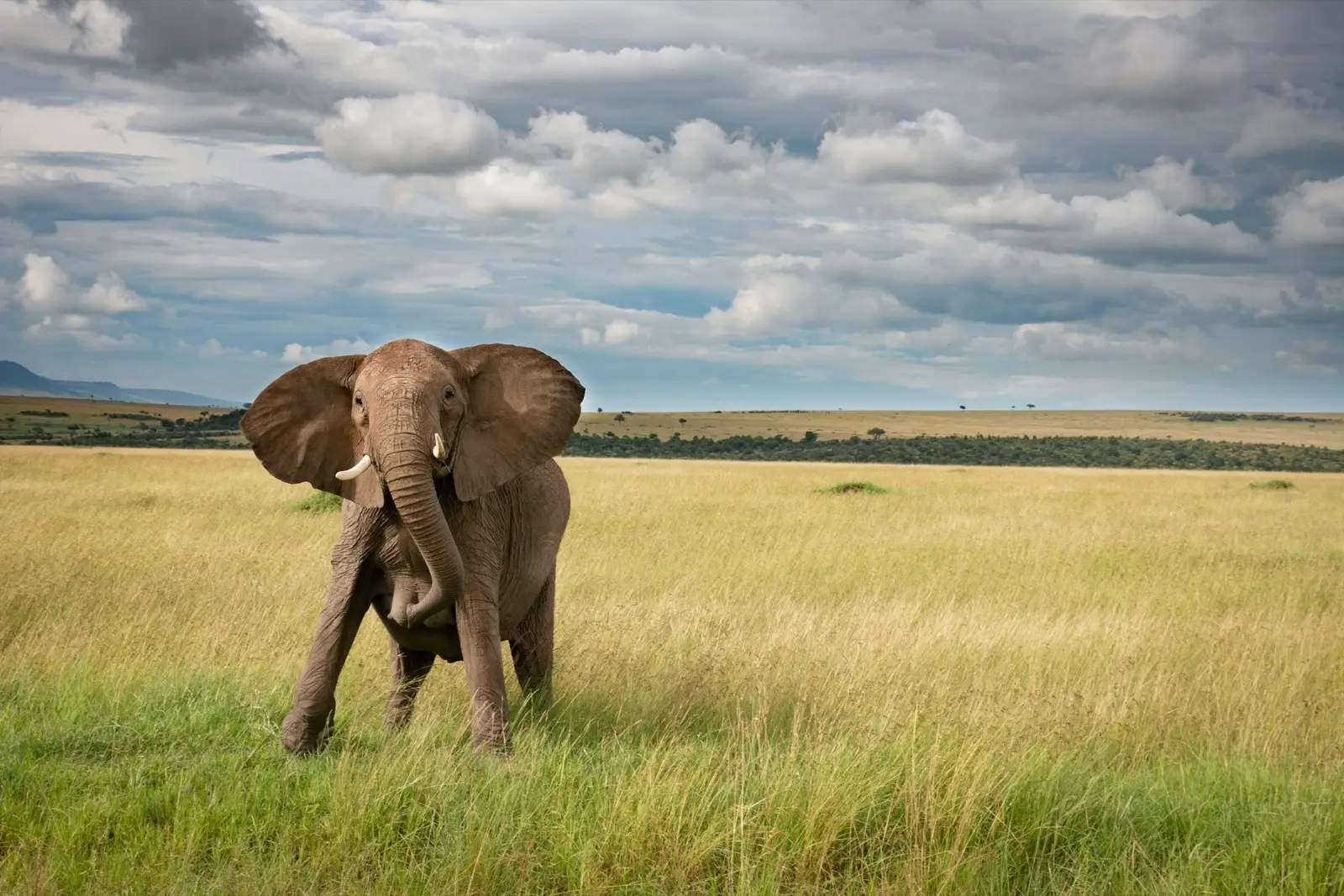
Here I document wildlife, conservation, and the relationship between communities and nature. The Mara is a working example of what is possible when those things are not treated as separate stories. A lioness with cubs is also a land-use question. An elephant in the viewfinder is also a person who may never see one, and a person who lives beside one.
In late 2024 I spent time around Canon’s World Unseen exhibition in Kenya. A photograph by Georgina Goodwin — a young girl from Samburu meeting a baby elephant — was made tactile so visually impaired visitors could feel the animal’s shape. Someone said, “Now I know how an elephant looks.” I keep that sentence. It is the same work as sitting in a vehicle at first light: helping a person arrive at an animal without taking the animal away from the place that made it.
At camp I am paid, in part, to help guests make photographs they will be proud to take home. The quieter job is to make sure those photographs still belong to the Mara: to the guides, to the communities, to the weather, to the missed shot. If this site does its work, you will know where to find me, and you will know what I am for.